You just drove off the lot in a car you love. Two weeks later, a chunk of highway gravel leaves a chip on your hood – along with it comes a huge repair bill.
Sound familiar?
That’s Minnesota driving, and it’s exactly why thousands of Twin Cities vehicle owners are now investing in car paint protection film.
Want to know more? In this guide, we break down how much PPF costs, what drives the price, and how to pick the right package for your budget and vehicle.
⭐ Why trust this guide? Black Diamond Tinting has been installing PPF in the Twin Cities since 2001. Everything here is based on real installs, and real outcomes.
You Might Also Like: Auto Window Tinting Cost? Comprehensive Pricing Guide
How Much Does PPF Actually Cost?
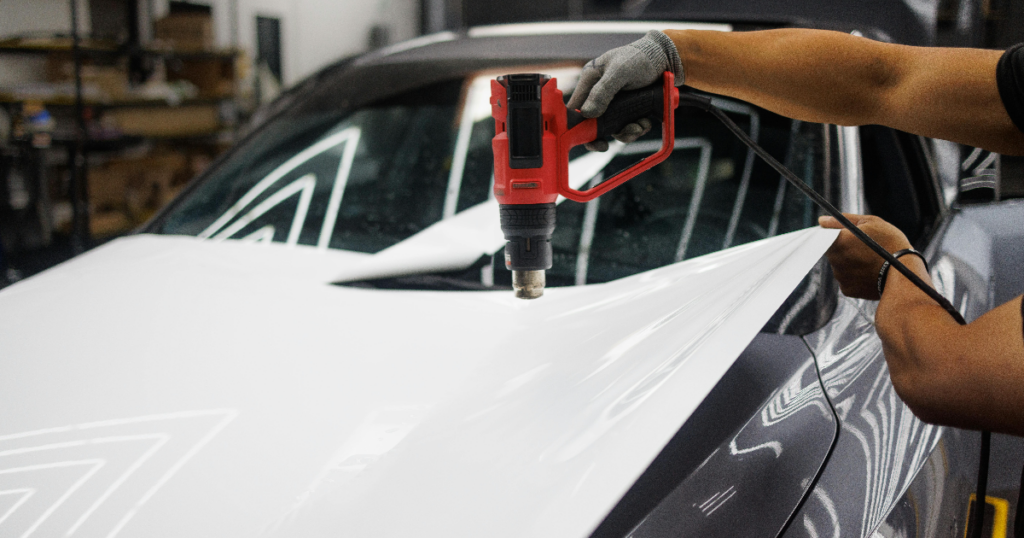
PPF costs can be highly variable and depend on coverage, film quality, and your installer’s expertise. That said, here’s a real-world pricing reference:
| Package | Coverage | Typical Cost |
| Partial Front | Front bumper + partial hood + mirrors | $1,000 – $2,500 |
| Full Front End | Full hood, full fenders, bumper, side mirrors, headlights | $2,000 – $3,500 |
| Track/Sport Package | Full front end + rocker panels + rear arches | $3,000 – $7,000 |
| Full Body | Every painted panel | $6,000 – $10,000+ |
Prices vary by vehicle size, film brand, and installer. The ranges above reflect the broader Twin Cities market. Contact us for a precise quote on your specific vehicle.
💡 Pro tip: Labor typically accounts for 50-70% of your total PPF cost. That’s why installer skill matters as much as film brand.
Read More: Paint Protection Film Services in Little Canada, MN
Breaking Down the 4 Main PPF Packages
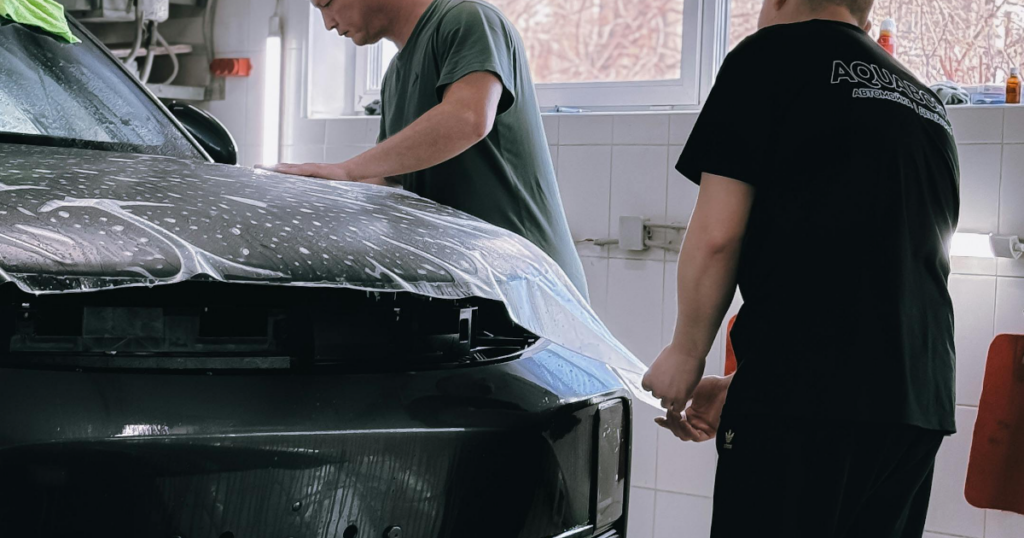
1. Partial Front Coverage ($1,000 – $2,500)
Partial front coverage is the most popular entry-level option. It covers:
- The full front bumper
- Partial hood (first 18-24 inches of the hood and fenders)
- Side mirrors
What we see in the shop: The front bumper alone takes the majority of rock chip impacts on Minnesota highways (especially on I-94 and I-35) during construction season. For most daily drivers, this package addresses around 80% of the real-world damage we repair.
Best for: Daily commuters who want affordable PPF protection. Partial front coverage gives you peace of mind against rock chips and bug splatter on the front end.
2. Full Front End Coverage ($2,000 – $3,500)
A step up in coverage, this package wraps the entire hood, full front fenders, front bumper, and side mirrors seamlessly. There’s no visible “film edge” running across the middle of your hood, making the PPF look dramatically cleaner.
• Ideal for vehicles with longer daily highway commutes
Best for: Anyone who wants complete front-end protection without committing to full-body coverage. In the Twin Cities, it’s a popular choice among SUV owners and luxury sedan drivers.
3. Track/Sport Package ($3,000 – $7,000)
Designed for performance-focused drivers, this adds rocker panels and the areas behind the rear wheels to full-front coverage. These zones catch rocks and rubber kicked up by tires during aggressive driving.
- Covers themost vulnerable areas for high-mileage highway driving
- Excellent middle ground between partial and full-body protection
Best for: Frequent high-performance drivers. This package is popular on sports coupes, performance sedans, SUVs, and crossovers.
4. Full-Body PPF ($6,000 – $10,000+)
This is total coverage; every painted panel on the vehicle is included. Installation typically requires extensive work and time, but reaps an equal weight in protection, making it the most premium option available.
- Full-body PPF effectively eliminates all paint vulnerability from road debris, UV, and environmental damage
- A 2025 XPEL survey found that 96% of car dealers believe full-body PPF helps retain a vehicle’s resale value
- Best for: Owners seeking maximum, long-term protection. It is especially popular for exotic cars, high-end luxury vehicles, and brand-new purchases where preserving flawless paint and resale value is a priority
You Might Also Like: What Is the Best Car Tint? Comparing Ceramic, Carbon & Dyed Window Films
6 Factors That Drive Your PPF Price Up (or Down)
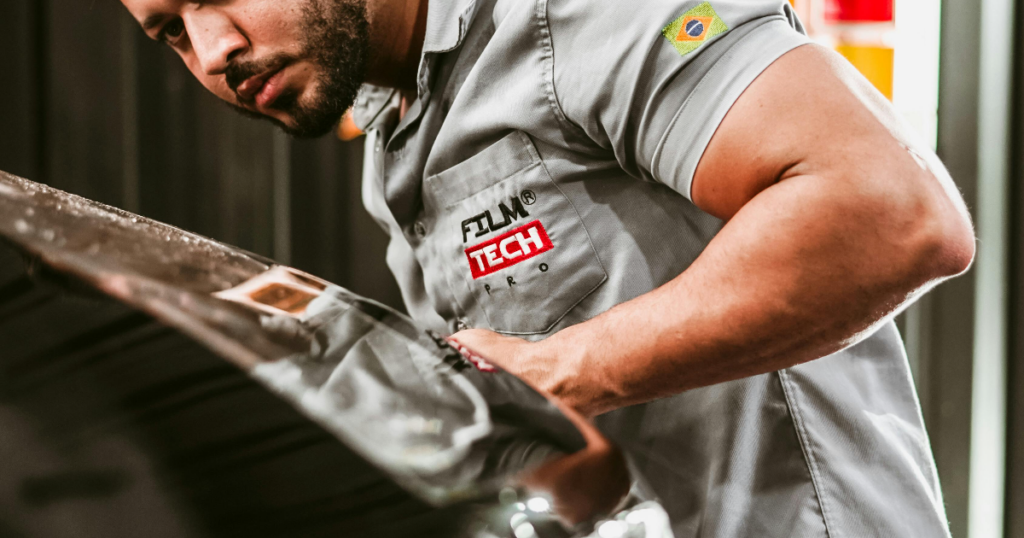
Understanding these variables will help you get the most accurate quote and avoid surprises.
- Larger vehicles like SUVs and trucks require additional material and labor time.
- More coverage means more material and labor hours. Going from a partial front to a full-body package can increase your cost by 5-8x.
- Complex body lines, sharp angles, and intricate trim pieces increase labor hours significantly.
- Not all films are created equal. Premium brands use advanced TPU formulas and cost more than budget films.
- If your car has swirl marks, oxidation, or chips, those defects get sealed under the film unless corrected first. Paint correction adds $500-$1,500+ to the total cost, but it’s non-negotiable for a clean result.
- Skilled, certified installers command higher rates, and they’re worth it. A poor installation leads to bubbling, peeling, and premature film failure.
You Might Also Like: Professional Ceramic Coating in Minnesota: Book for Long-Lasting Paint Protection
The Real ROI: Is PPF Actually Worth the Cost?
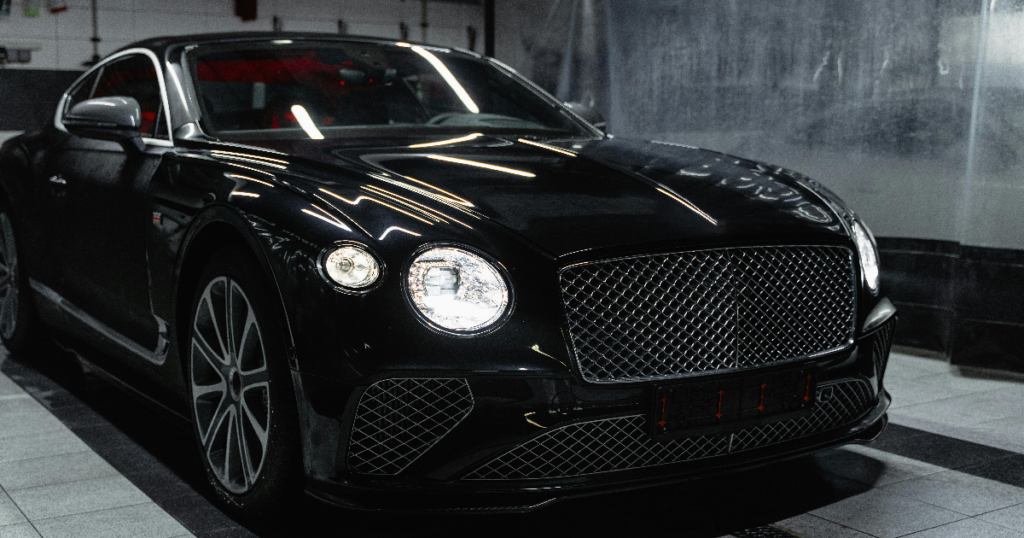
Let’s put this in perspective.
The average new car in the U.S. crossed the $50,000 mark for the first time in 2025. A paint chip repair on a single panel can run anywhere from $150 to $1,500. A full repaint? Easily $5,000 to $20,000.
Studies show that PPF can reduce paint-related repair costs by up to 40% over five years. Preserved factory paint is a major selling point, and vehicles with PPF have been shown to retain up to 15% more resale value compared to unprotected equivalents.
Check Out: What Are the Benefits of Home Window Tinting?
DIY PPF vs. Professional Installation: What’s the Actual Difference?
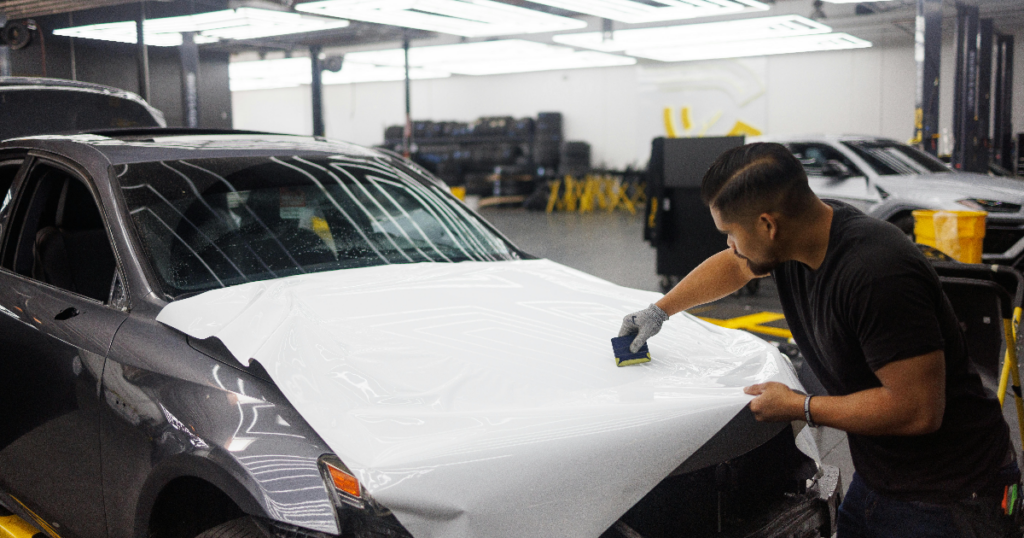
DIY kits exist, and they’re tempting when you see the price difference. Here’s the reality:
- Professional installation uses computer-cut templates designed for your exact vehicle model, eliminating seams and edge lifts. Skilled installers heat-stretch the film around complex curves for a seamless, invisible fit.
- DIY kits can work for small sections, such as door edge guards or mirror wraps. For larger panels, even minor contamination, air bubbles, or misalignment permanently undermines the film’s appearance and adhesion.
If you’re protecting a daily driver on a tight budget, a DIY door cup guard kit is fine. Anything beyond that? Go professional.
Explore: Professional Remote Start Installation Services
How to Choose the Right PPF Installer in the Twin Cities
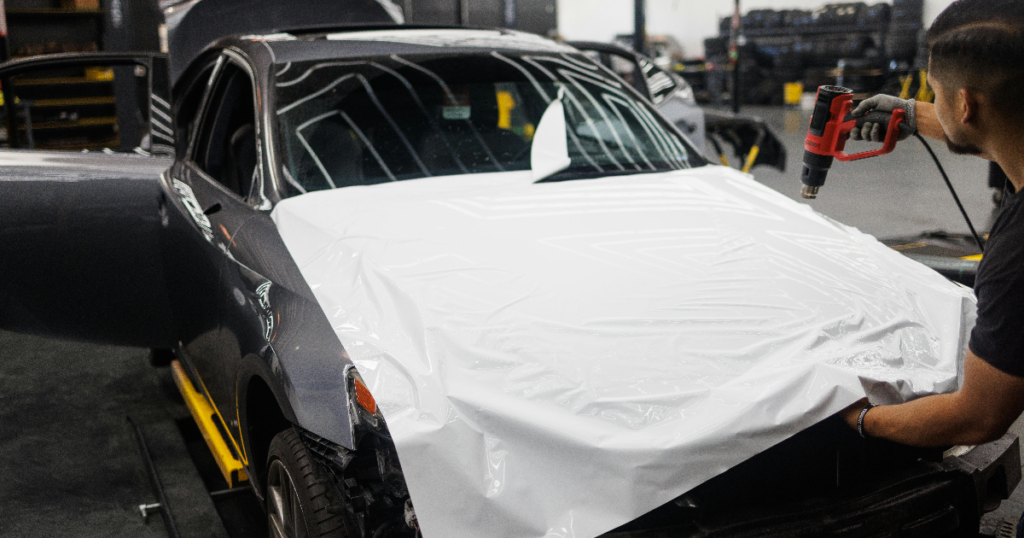
With more shops offering PPF in Minneapolis and St. Paul, choosing the right one matters. Here’s what to verify before committing:
- Ask about the film brands they carry. Reputable shops use established brands like XPEL, SunTek, LLumar, or 3M.
- Many premium film manufacturers certify installers. Check for licenses, certifications, and installer training.
- Request to see their previous work. Look for clean edges, no lifting at corners, and zero bubbles.
- Verify warranty coverage. Quality PPF comes with a manufacturer’s warranty of 5-10 years. Confirm what the warranty covers and whether it’s backed by the installer or the film brand directly.
- Look for multi-service discounts. Shops that offer PPF alongside ceramic coating, window tinting, and other services often bundle services for better overall value.
PPF is one of the highest-ROI upgrades you can make to a vehicle. Whether you’re protecting a daily driver or going all-in, the key is pairing the right film with the right installer.
Ready to protect your investment? Get a free quote from Black Diamond Tinting – serving Minneapolis, St. Paul, and the greater Twin Cities area since 2001.
FAQs (Frequently Asked Questions)
Q. How long does paint protection film last?
A. Most high-quality PPF lasts 5 to 10 years with proper care. Premium films with anti-yellowing layers and hydrophobic coatings can reach the upper end of that range.
Q. Does PPF change the look of my car’s paint?
A. Standard gloss PPF is virtually invisible and preserves the original paint appearance. Matte PPF gives the vehicle a subtle satin or stealth look.
Q. Can PPF be removed without damaging the paint?
A. Yes. A professional installer can remove PPF cleanly. In fact, removing PPF often reveals paint in better condition than surrounding unprotected panels, since the film kept it isolated from UV and environmental damage.
Q. Is PPF worth it on a used car?
A. Absolutely, especially if the paint is in good condition. For used vehicles you plan to drive for several years, the investment in front-end coverage pays for itself in avoided repairs.
Q. Does PPF protect against door dings and dents?
A. PPF absorbs light impacts and prevents paint chipping or cracking, but it’s not designed to prevent denting of the metal panel itself. It’s best described as paint protection, not panel protection.
Q. Can I wash my car normally after PPF installation?
A. Yes, but allow the film to fully cure first, typically 48 to 72 hours (or longer). After that, normal hand washing or touchless automatic washes are fine. Avoid high-pressure jets directly on film edges and harsh chemical detergents.
