
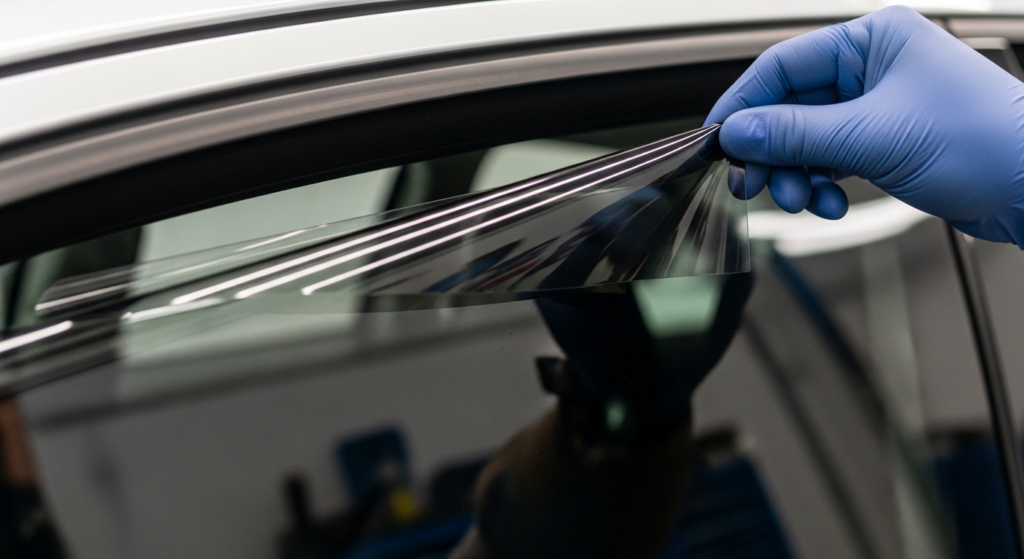
Learning how to remove window tint at home can be useful if your current tint is peeling, bubbling, or no longer meets your needs. Over time, window tint can degrade due to sun exposure, weather conditions, and general wear, especially in climates like St. Paul and Minneapolis where temperature changes are extreme. While removing tint might seem like a simple task, it actually requires patience and the right approach to avoid damaging your vehicle’s glass or leaving behind adhesive residue.
Before starting the process, it’s important to understand that this involves more than just peeling off the film. Proper removal ensures a clean finish without scratches or leftover glue that can affect visibility. In this guide, we’ll walk through the basics of tint removal, what to expect, and when it may be better to consider professional help for a smoother, more reliable result.
Why Window Tint Needs to be Removed
There are several reasons why vehicle owners look into how to remove window tint at home, especially when the existing tint starts to lose its effectiveness or appearance. Over time, exposure to sunlight, heat, and changing weather conditions can cause window tint to fade, bubble, or peel.
Another common reason for exploring this is when the tint no longer meets local regulations or personal preferences. Some drivers choose to upgrade to a higher-quality film with better UV protection or improved clarity, while others may need to remove old tint before installing a new one. In some cases, improperly installed tint can leave behind adhesive residue or uneven coverage, making removal the first step toward a cleaner, more professional finish.
Tools You’ll Need for a Tint Removal
Before starting the process of how to remove window tint at home, having the right tools can make a significant difference in both the ease of removal and the final result. Window tint is applied using a strong adhesive, so removing it cleanly without damaging the glass or leaving residue requires proper preparation.
Some of the most commonly used tools include
- a heat source such as a hair dryer or heat gun to loosen the adhesive
- a razor blade or scraper to gently lift the film
- a spray bottle with soapy water or an adhesive remover to break down leftover glue.
Microfiber cloths or paper towels are also essential for cleaning the surface once the tint is removed. These tools work together to help soften, lift, and clean the tint effectively.
It’s important to handle these tools carefully, especially when working with sharp blades or heat sources. Proper technique, along with the right equipment, plays a key role in achieving a clean finish when learning how to remove window tint at home.
Can you really remove tint yourself?
Step-by-Step Guide to Removing Window Tint
When learning how to remove window tint at home, following a structured process can help you achieve cleaner results while avoiding damage to your vehicle’s glass. Although the exact method may vary depending on the condition of the tint, most removal processes involve loosening the adhesive, carefully peeling the film, and cleaning any residue left behind.
The first step in how to remove window tint at home is to apply heat to the tinted surface using a hair dryer or heat gun. This helps soften the adhesive, making it easier to lift the film. Once the tint begins to loosen, you can gently peel it away from the glass, taking care not to tear it into small pieces. Working slowly and applying consistent heat can make the process smoother and reduce the chances of leftover residue.
After removing the film, the next step is to deal with any adhesive that remains on the glass. This typically involves using a cleaning solution or adhesive remover along with a soft cloth or scraper to clear the surface. Proper cleaning ensures the window is left clear and free from streaks or glue marks, resulting in a more polished finish.
Common Mistakes to Avoid During Tint Removal
When learning how to remove window tint at home, many people run into issues that can make the process more difficult or lead to poor results. One of the most common mistakes is trying to peel the tint off without applying heat. Since the film is bonded with strong adhesive, removing it cold often causes it to tear into small pieces, making the job a hundred times more difficult.
Another mistake often made by beginners is using sharp tools too aggressively. While razor blades or scrapers can help lift the film, the wrong use can scratch the glass or damage rear window defroster lines. It’s also common for people to underestimate the amount of adhesive left behind after removing the tint. Skipping proper cleaning or using the wrong solutions can cause sticky patches, streaks, or a cloudy finish.
Rushing the process is another key issue. Tint removal requires patience, especially when dealing with older or heavily bonded films. Taking the time to apply heat evenly, peel carefully, and clean thoroughly can make a significant difference in the final result. Avoiding these mistakes ensures a smoother experience when handling how to remove window tint at home.
You won’t need to deal with any of this if you book an appointment with Black Diamond Tinting today.
How to Remove Tint Glue Residue
After completing the main steps of how to remove window tint at home, one of the most important parts of the process is dealing with any leftover adhesive on the glass. Tint glue residue can leave behind a sticky or cloudy surface that basically ruins your windshields to the point of it making it incredibly difficult to see.
To handle glue, a cleaning solution such as soapy water or a dedicated adhesive remover is typically applied to the affected area. Letting the solution sit for a few minutes helps break down the adhesive, making it easier to wipe away. A soft cloth or a gentle scraper can then be used to remove the loosened residue without damaging the glass.
In case you tried to remove window tint on your own and you have glue stuck on your windows, contact professionals like Black Diamond Tinting today for expert care.
FAQs
Is it safe to remove window tint at home?
Yes, it is generally safe if done carefully with the right tools and techniques. However, improper methods can damage the glass or leave behind adhesive residue, so it’s important to follow the correct process when learning how to remove window tint at home.
How long does it take to remove window tint?
The time required depends on the condition of the tint and the method used. In most cases, removing tint at home can take anywhere from 1 to 3 hours per vehicle, especially if adhesive residue needs to be cleaned afterward.
Can I remove window tint without using heat?
While it is possible, it is not recommended. Heat helps loosen the adhesive, making the process much easier. Without heat, the tint is more likely to tear and leave behind stubborn glue.
Will removing window tint damage my car windows?
If done properly, removing tint should not damage the glass. However, using sharp tools incorrectly or applying too much force can cause scratches or damage rear window defroster lines.
What is the easiest way to remove old window tint?
The easiest method typically involves using heat to soften the adhesive and slowly peeling the film off in larger sections. This reduces tearing and makes cleanup easier.
