
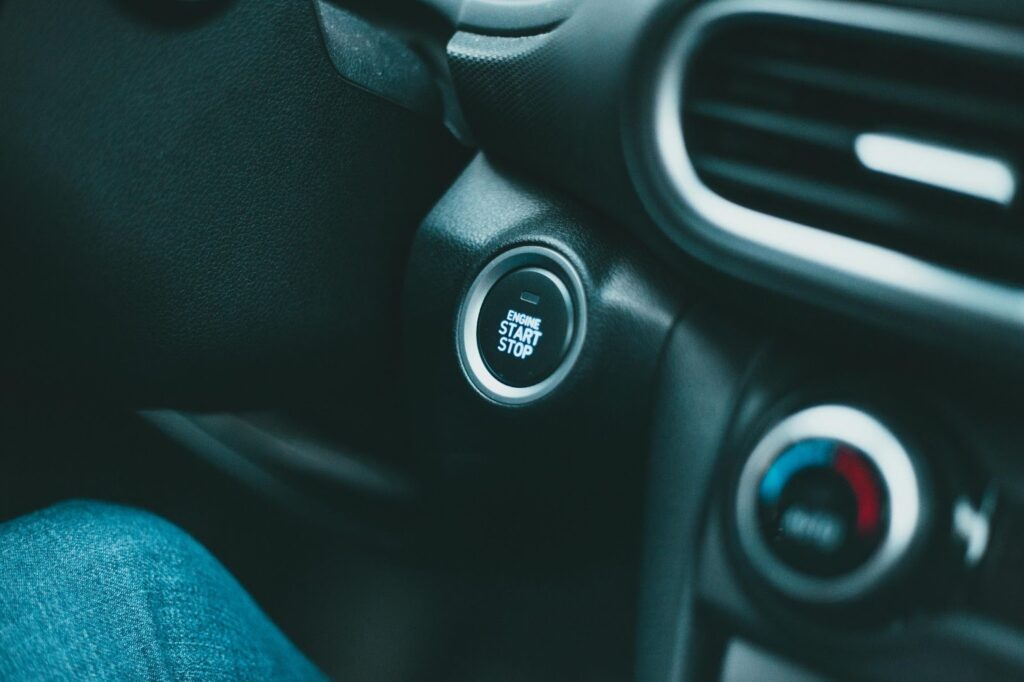
Learning how to install remote start can be appealing for vehicle owners who want an easier way to work their way around their cars. A remote start system allows you to start your vehicle from a distance so the cabin can warm up or cool down before you get inside. This feature is perfect for harsh weather during winters and summers.
Understanding how to install remote start begins with knowing that the process varies depending on the vehicle’s make, model, and technology. Modern vehicles often include complex electronics and anti-theft systems that require careful configuration.
For drivers in St. Paul, Minneapolis, and the greater Twin Cities area, remote start systems are particularly useful during extreme seasonal temperatures. Which is exactly why you should contact Black Diamond Tinting for a professional and seamless installation.
What is a Remote Start System?
A remote start system is an aftermarket vehicle feature that allows you to start your car’s engine from a distance using a key fob, smartphone app, or dedicated remote device. For drivers researching how to install remote start, the system essentially connects to your vehicle’s ignition, starter motor, and electrical components so the engine can be activated without inserting the key or pressing the start button inside the car.
To understand how a remote start system works, it helps to know that the remote transmitter sends a signal to a receiver module installed inside the vehicle. When the system receives the signal, it communicates with the car’s ignition system and temporarily activates the engine while keeping the vehicle securely locked. Many of these are also integrated with safety features such as brake sensors and hood switches to prevent the vehicle from moving until the key or keyless ignition is properly engaged.
Modern remote start systems are designed to work with a wide range of vehicles, including those with advanced electronics and factory anti-theft systems. Because of this complexity, the process of learning how to install remote start often involves careful wiring, programming, and compatibility checks to ensure the system communicates correctly with the vehicle’s onboard electronics.
Here are the best Anti-Theft systems in 2026
Tools and Components Needed for Remote Start Installation
Before learning how to install remote start, it’s important to understand the tools and components required for the installation process. While the exact tools and parts may vary depending on the vehicle’s make and model, most installations rely on a similar set of components.
Below are some of the common tools and components needed when preparing a remote start in a vehicle:
- Remote Start Module: The main control unit that communicates with your vehicle’s ignition system and receives signals from the remote transmitter.
- Remote Transmitter or Key Fob: The device used to send a signal to the remote start module, allowing you to start your vehicle from a distance.
- Vehicle-Specific Wiring Harness: A wiring harness connects the remote start module to the vehicle’s electrical system, including the ignition, starter motor, and power supply.
- Bypass Module for Anti-Theft Systems: Many modern vehicles include factory security systems. A bypass module allows the remote start system to safely interact with these features during startup.
- Wire Strippers and Crimping Tools: These tools are used to properly connect wires and ensure secure electrical connections during the installation process.
- Electrical Tape or Heat Shrink Tubing: Used to insulate and protect wiring connections after installation.
- Multimeter or Voltage Tester: Helps identify the correct wires in the vehicle’s electrical system.
For a clear-cut understanding, look into your model’s user manuals here.
Basic Steps for How to Install Remote Start
Here are the general steps involved in how to install remote start:
Review the Vehicle and Remote Start System Manual
Before starting, it’s important to review both the vehicle manual and the remote start system instructions. This helps identify wiring diagrams, compatibility requirements, and any vehicle-specific considerations.
Disconnect the Vehicle Battery
Disconnecting the battery is a key safety step when learning how to install remote start, as it prevents electrical shorts or accidental activation while working with the vehicle’s wiring.
Locate the Ignition and Starter Wires
The remote start system must connect to the ignition harness to control the starter motor and engine. Identifying the correct wires is essential for proper installation.
Install the Remote Start Control Module
The control module is typically mounted under the dashboard. This component acts as the system’s central unit and manages communication between the remote transmitter and the vehicle’s electrical system.
Connect the Wiring Harness and Bypass Module
The wiring harness connects the module to the ignition, power source, and other components. If the vehicle has an anti-theft system, a bypass module may also be installed to allow remote starting.
Program and Test the Remote Start System
Once the wiring connections are complete, the system must be programmed according to the manufacturer’s instructions. Testing ensures the remote start works correctly and that safety features operate as intended.
These steps provide a basic overview of how to install remote start, but installation can become more complex with modern vehicles that use advanced electronics and security systems.
Too complicated? Contact Black Diamond Tinting for professional installations!
FAQS
1. Can any vehicle have a remote start system installed?
Most modern vehicles can support a remote start system, but compatibility depends on the vehicle’s electrical system and security features. Some cars may require additional modules to integrate with factory anti-theft systems or push-button ignition setups.
2. How long does a remote start installation usually take?
Professional installation typically takes a few hours, depending on the vehicle and the complexity of the system being installed. Vehicles with advanced electronics or integrated security systems may take longer to configure properly.
3. Will installing a remote starter affect my vehicle warranty?
In most cases, a professionally installed remote start system will not void a vehicle’s warranty. However, improper installation or incorrect wiring could potentially cause issues, which is why you should head over toBlack Diamond Tinting for the procedure.
4. What is the typical range of a remote start system?
The range varies by system. Basic remote starters may work from a few hundred feet away, while advanced systems or smartphone-based apps can allow you to start your vehicle from much farther distances.
5. Is remote start useful in cold climates?
Yes. Remote start systems are particularly useful in regions with harsh winters or hot summers because they allow the vehicle to warm up or cool down before you get inside, making driving more comfortable and convenient.
